
Article Summary
The journey from Skardu to Hunza is one of the most rewarding road trips in northern Pakistan because it connects two of Gilgit-Baltistan’s most iconic landscapes in a single adventure. Current travel sources place the road distance at roughly 289 km via the main Jaglot–Gilgit–Karakoram Highway route, while the Deosai-side route can extend to around 333 km and is generally seasonal, usually practical in summer. Depending on stops, road conditions, and weather, most travelers should expect a full-day drive rather than a quick transfer.
Journey from Skardu to Hunza: 12 Breathtaking Reasons to Take This Epic Northern Pakistan Road Trip with Goomo
Some road trips are only about getting from one place to another.
This one is not.
The journey from Skardu to Hunza is a complete northern Pakistan experience. It brings together rugged Baltistan scenery, famous mountain highways, river valleys, alpine views, cultural stops, and some of the most photogenic landscapes in the country. Your original article already captures that blend well, especially the contrast between Skardu’s dramatic terrain and Hunza’s greener, more settled beauty.
If you want a trip that feels rich from the first hour to the last, this route deserves a place at the top of your list.
Why This Road Trip Is So Popular
This route works because Skardu and Hunza do not feel the same.
Skardu feels wider, harsher, and more dramatic. Hunza feels softer, greener, and more cultural. Putting them together gives travelers a fuller view of Gilgit-Baltistan. Your draft makes this contrast one of the article’s strongest points, and it is exactly why so many travelers try to include both destinations in one itinerary.
The road itself also adds value.
It is not a dull transfer. It is part of the trip.
Distance and Travel Time from Skardu to Hunza
Most current travel sources place the main road distance between Skardu and Hunza at around 289 to 300 km, depending on the exact start and endpoint. A more adventurous Deosai-side route can reach roughly 333 km and is usually only practical during the summer season.
Travel time is where many first-time visitors underestimate the trip.
Although some sources mention faster timings in ideal conditions, the more realistic expectation for most travelers is a long mountain drive with stops, usually around 8 to 10 hours if you are traveling comfortably and allowing for views, food breaks, and variable road conditions. Weather, landslides, roadwork, and traffic near Gilgit can increase that time.
That is why early departure matters.
Best Route from Skardu to Hunza
Main Route: Skardu → Jaglot/Alam Bridge → Gilgit → Hunza
This is the most common and practical route.
It joins the Baltistan road network with the Karakoram Highway, then continues through Gilgit toward Hunza. It is the preferred route for most travelers because it is easier to navigate and better supported by fuel stations, roadside stops, and transport access. Your original article accurately positions this as the best route for first-time visitors and families.
Alternate Route: Via Deosai and Astore
This route is more adventurous and far more seasonal.
Current travel sources consistently describe the Deosai option as a summer route only, generally open when snow has cleared. It is longer, more remote, and much better suited to travelers with extra time and a strong vehicle, ideally a 4×4.
If your goal is convenience, use the main Jaglot–Gilgit route.
If your goal is wilderness and you are traveling in summer, Deosai can be unforgettable.
12 Breathtaking Reasons to Take the Skardu to Hunza Road Trip
1. You Experience Two Icons of Gilgit-Baltistan in One Journey
This is the biggest reason.
Skardu and Hunza are both headline destinations, but they offer very different moods. One trip gives you both.
That means more variety and a stronger overall travel experience.
2. The Scenery Changes Constantly
Few routes in Pakistan keep changing this much.
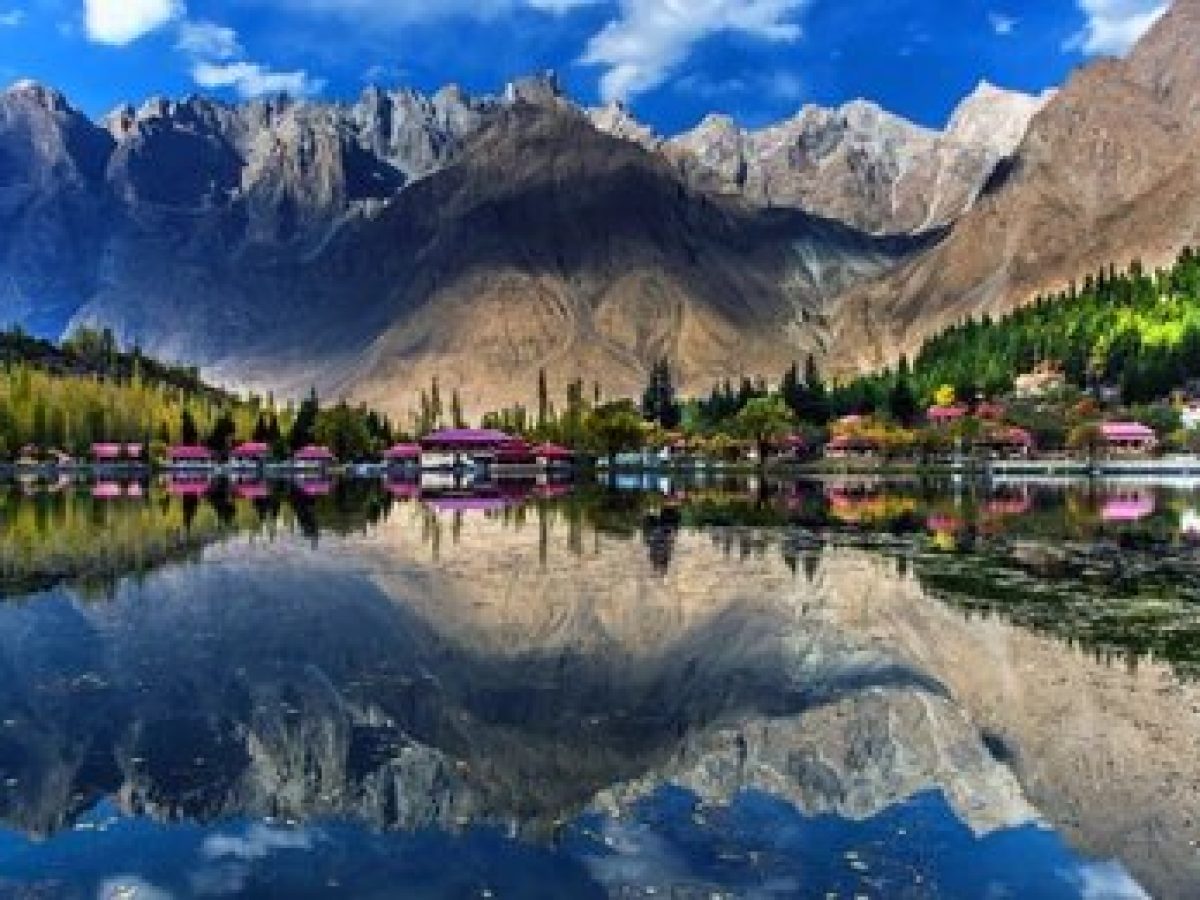
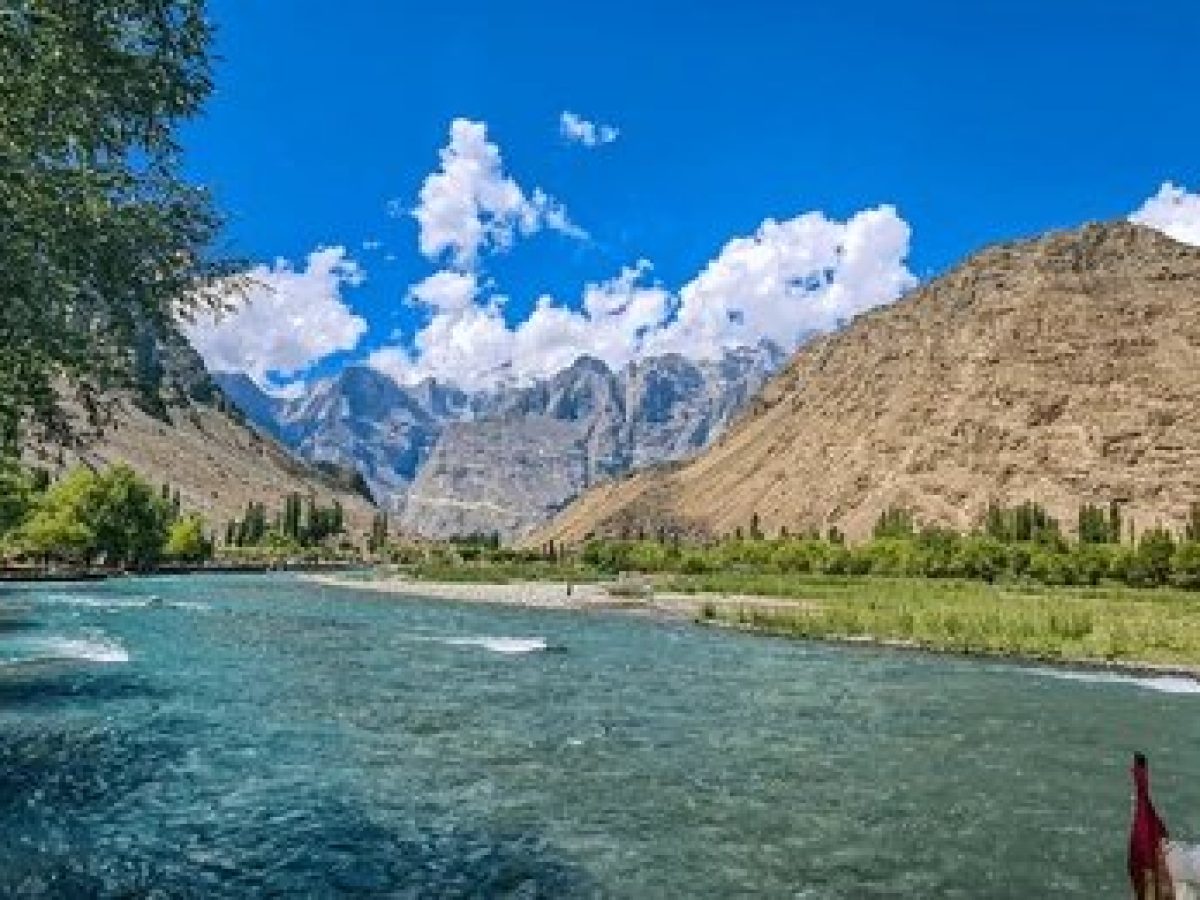
You move through river valleys, mountain corridors, rocky slopes, greener settlements, and major highway viewpoints. The changing landscape is part of what makes the drive feel cinematic.
3. Rakaposhi View Point Is One of the Best Stops on the Route
Rakaposhi View Point, also called the Zero Point of Rakaposhi, is located on the Karakoram Highway in Nagar and is widely recognized as one of the most rewarding stops between Gilgit and Hunza. The official Gilgit-Baltistan tourism site describes it as a popular halt for travelers on this corridor.
This is the kind of stop that turns a road journey into a memory.
4. The Karakoram Highway Adds Its Own Legendary Appeal
Once you join the KKH, the journey feels bigger.
You are not just traveling locally anymore. You are moving along one of the most famous mountain highways in the world, a road long associated with dramatic engineering and gateway travel through the high north.
5. Skardu Is Worth Exploring Before You Leave
One of the smartest parts of this road trip is that the departure point is already exceptional.
Skardu’s lakes, cold desert, forts, and side valleys make it much more than a transit stop. The official Pakistan tourism material lists places like Kharpocho Fort, Sadpara Lake, and Kachura Lakes among major Skardu attractions.
Your draft rightly treats Skardu as a destination in its own right.
6. Hunza Gives the Journey a Beautiful Contrast
When you reach Hunza, the atmosphere changes.
The forts, terraces, orchards, and villages create a softer and more story-filled feeling than Skardu’s raw grandeur. That contrast is exactly why travelers often remember this route so vividly.
7. It Works for Families, Couples, and Private Groups
Not every northern road trip suits everyone.
This one does.
Your original article positions it well for families, honeymooners, private tours, and group travel, and that makes sense because the main route is accessible, scenic, and full of manageable stop options.
8. You Can Travel in More Than One Beautiful Season
Spring and autumn are especially attractive on this trip.
Your draft highlights spring blossom season, summer road-trip weather, and autumn color, and current travel guidance supports these seasonal windows as the most practical and scenic times for northern road journeys. Summer is the broadest access season, while Deosai is typically a summer-only addition.
9. The Route Rewards Photographers
This trip is built for photography.
Mountain walls, changing river light, viewpoint stops, roadside settlements, and the gradual transition from Baltistan to Hunza give photographers variety without needing a separate detour. Rakaposhi View Point alone is enough to justify a proper camera stop.
10. You Can Keep the Trip Comfortable or Make It Adventurous
This flexibility is underrated.
You can do the main route in a comfortable private vehicle with hotel stops and easy pacing. Or you can choose rougher sections, Deosai extensions, and slower exploration. Your article captures this well by presenting both convenience and adventure as valid versions of the same trip.
11. The Food and Hospitality Add Real Warmth to the Journey
Road trips are better when the human side is strong.
Your draft highlights Balti and Hunzai hospitality along with foods like chapshuro, momo, mamtu, local bread, apricot-based items, and traditional teas. That cultural layer matters because it turns the journey into more than scenery.
12. It Is One of the Most Complete Road Trips in Pakistan
Some routes are scenic.
Some are cultural.
Some are adventurous.
The Skardu to Hunza road trip gives you all three, which is why it remains one of the strongest multi-destination journeys in northern Pakistan. Your original article is right to frame it not as a transfer, but as a complete travel experience.
Best Time to Travel from Skardu to Hunza
Spring
April to May is ideal for blossom views and mild weather, especially if Hunza is one of your main goals. Your original article correctly emphasizes spring as one of the most attractive seasonal windows.
Summer
June to August is usually the easiest season for road access and longer sightseeing days. It is also the practical season for the Deosai route.
Autumn
September to October is excellent for cooler temperatures and dramatic color. This is often the favorite season for photographers.
Winter
Winter travel is possible, but it is more difficult due to snow, ice, and possible blockages. This matches the caution already built into your draft.
Practical Travel Tips
Start early.
Avoid night driving in mountain terrain.
Keep cash, water, snacks, and warm clothing with you.
Use a well-maintained vehicle and check the weather and road status before departure. Your original article’s safety advice is sound, especially on fuel, layers, spare tires, and cautious mountain driving.
If you are traveling with family or want a smoother experience, private transport is usually the best choice.
Suggested Itinerary
7–8 Days by Air
Day 1–2: Explore Skardu
Day 3: Shigar or Khaplu
Day 4: Travel to Hunza
Day 5–6: Hunza highlights
Day 7–8: Return and departure
8–12 Days by Road
Day 1: Islamabad stopover
Day 2–4: Skardu and nearby valleys
Day 5: Optional Deosai or local sightseeing
Day 6: Skardu to Hunza drive
Day 7–10: Hunza and Upper Hunza
Day 11–12: Return journey
This structure from your original article works well because it lets travelers choose between a compact and a slower-paced version.
FAQs
What is the distance from Skardu to Hunza?
The main road route is generally around 289 to 300 km, while a Deosai-side route can reach roughly 333 km.
How long does it take to travel from Skardu to Hunza?
In practical travel conditions, most people should plan for a full-day drive, often around 8 to 10 hours with stops, though some sources list shorter timings in ideal conditions.
Which route is best?
For most travelers, the best route is via Jaglot, Gilgit, and the Karakoram Highway because it is more established and easier to manage.
Is the Deosai route always open?
No. It is generally seasonal and most practical in summer after snow clearance.
What is the best stop on the way?
Many travelers consider Rakaposhi View Point one of the most scenic and worthwhile stops on the route.
Is a 4×4 necessary?
Not always. A normal private car can work on the main route in good weather, but a 4×4 is the better option for rougher conditions, Deosai travel, or uncertain weather. This recommendation aligns with the travel logic in your original article.
Final Summary
The Skardu to Hunza road trip remains one of the finest overland travel experiences in Pakistan because it combines two exceptional destinations, a legendary highway connection, major mountain scenery, seasonal variety, and a rich cultural atmosphere. The main route is usually the most practical, while the Deosai option adds adventure when open. For travelers who want more than a simple transfer, this journey delivers the full northern Pakistan experience from start to finish.
Post Discussion