
Article Summary
Khaplu Valley is one of Gilgit-Baltistan’s most rewarding destinations for travelers who want more than just mountain views. Set about 103 km from Skardu, it combines heritage, dramatic Karakoram scenery, Balti culture, riverside beauty, and access to trekking country. Its biggest highlights include the restored Khaplu Palace, the 14th-century Chaqchan Mosque, village life, apricot orchards, and routes toward high mountain landscapes. Current travel sources consistently position Khaplu as a quieter, culture-rich alternative to more crowded northern destinations, especially from spring through autumn.
Khaplu Valley Gilgit-Baltistan – Explore the Hidden Gem of Northern Pakistan | Goomo
Khaplu Valley is where Baltistan slows down.
It is scenic, historic, and deeply cultural.
Many travelers visit Skardu and move on too quickly. That is a mistake. Khaplu deserves its own stay because it offers something different: heritage, peace, and a stronger connection to local life.
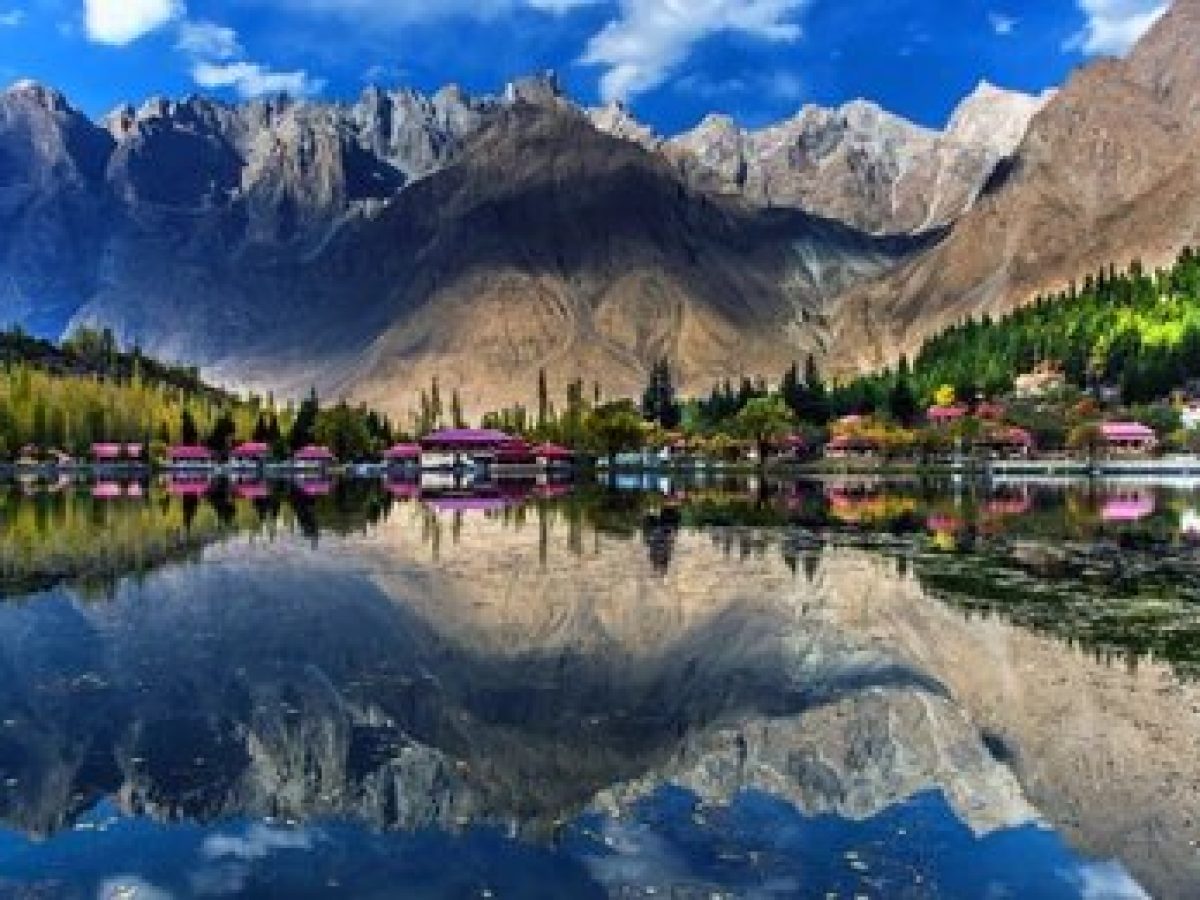
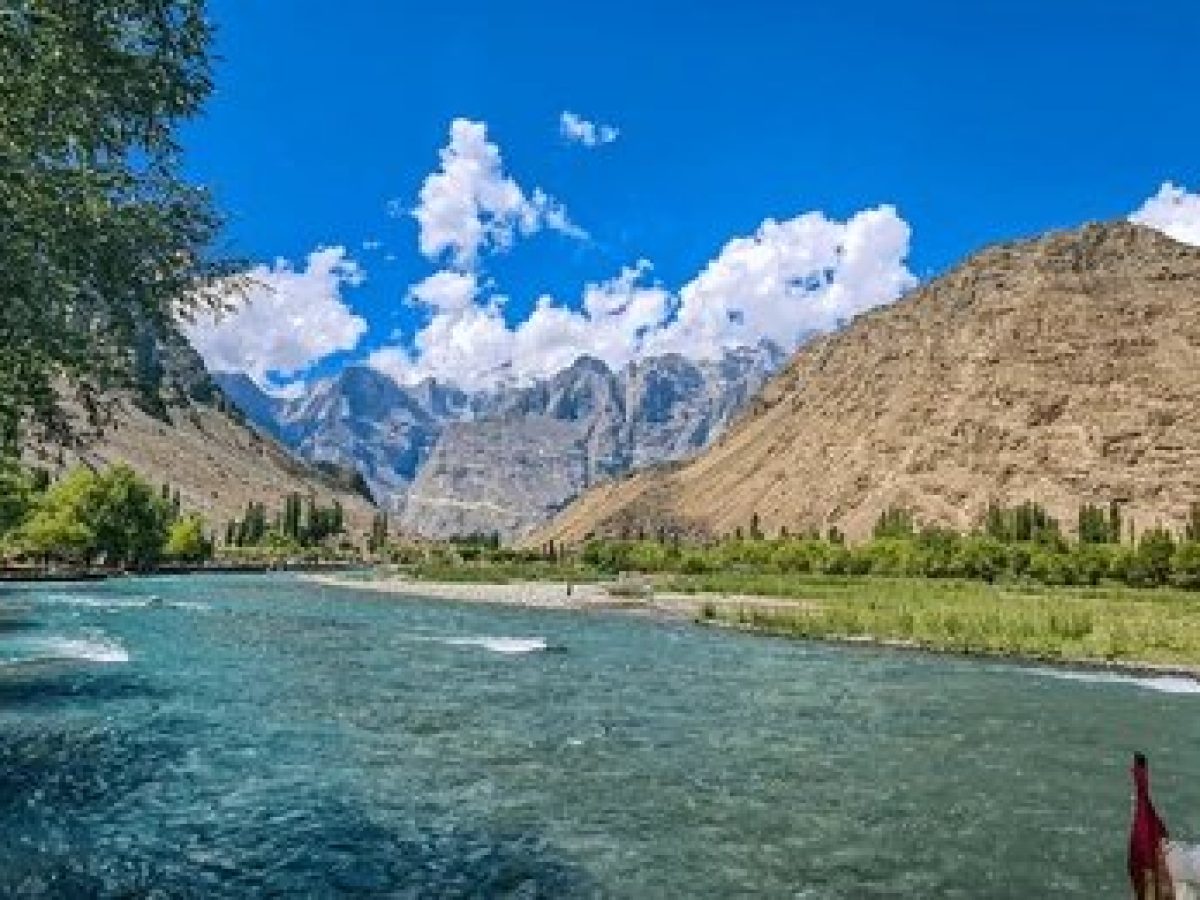
Located in Ghanche District, Khaplu lies roughly 103 km from Skardu and sits at around 2,600 meters above sea level. The valley is linked with the Shyok River and framed by major Karakoram peaks, which gives it a dramatic but calming landscape.
For Goomo travelers, Khaplu works beautifully as a cultural escape, a photography destination, and a base for short scenic exploration or longer adventure itineraries.
Why Khaplu Valley Should Be on Your Travel List
Khaplu stands out because it is not only beautiful.
It is layered.
You get mountain scenery, but you also get architecture, history, religion, orchards, traditional settlements, and a slower travel rhythm. Current destination sources repeatedly highlight Khaplu Palace and Chaqchan Mosque as the valley’s defining landmarks, which shows that Khaplu’s appeal is not just natural but also historical.
Khaplu is ideal for:
- couples looking for a scenic retreat
- families wanting a quieter northern trip
- photographers chasing heritage and mountain light
- culture-focused travelers
- trekkers using Baltistan as a gateway region
Where Is Khaplu Valley?
Khaplu Valley is in Ghanche District, Gilgit-Baltistan.
It lies east of Skardu and is commonly reached by road from Skardu city. Most current travel references place the journey at about 103 km, with travel time varying by road and weather conditions.
The setting feels special because the valley opens into a larger mountain world while still holding onto village intimacy.
How to Reach Khaplu Valley
By Air
The most practical route is to fly to Skardu Airport first.
From Skardu, travelers continue to Khaplu by road. Hotel and travel sources consistently describe Khaplu as a scenic onward journey from Skardu rather than a standalone flight destination.
By Road
Road travel from Skardu to Khaplu is the standard option.
The drive usually takes a few hours, depending on stops, road condition, and season. It is one of those routes where the journey is part of the experience, with villages, mountain walls, and river views along the way.
Travel Tip
If you want a relaxed experience, leave early in the day.
That gives you better light, more photo stops, and less pressure if weather changes.
Best Time to Visit Khaplu Valley
Spring
April to June is one of the best periods.
The valley starts to bloom, orchards become more attractive, and temperatures stay comfortable. Recent travel guides and hotel-based destination pages consistently recommend late spring and summer for the best overall experience.
Summer
July to September is the main travel season.
This is the best window for sightseeing, road access, trekking plans, and longer outdoor days. It is also the easiest season for first-time visitors.
Autumn
October to early November is excellent for color and photography.
The crowds are usually lighter, and the landscape becomes warmer in tone.
Winter
Winter is beautiful but more demanding.
Snow, cold, and route uncertainty can make travel harder. It suits travelers who are comfortable with weather-related changes.
Top Places to Visit in Khaplu Valley
Khaplu Fort (Yabgo Khar)
This is Khaplu’s signature landmark.
Serena describes Khaplu Palace as one of the finest surviving examples of a 19th-century royal residence in Baltistan, now restored as a heritage hotel with 21 rooms and suites. That restored identity is a major reason Khaplu has become so attractive for heritage travelers.
Why it matters
Khaplu Fort is more than a photo stop.
It gives visitors a direct sense of Baltistan’s political and cultural past. The architecture, woodwork, courtyards, and setting among orchards make it one of northern Pakistan’s strongest heritage experiences.
What to expect
You can expect:
- restored palace architecture
- mountain views
- museum-style heritage atmosphere
- a premium stay option for travelers who want comfort with history
Chaqchan Mosque
Chaqchan Mosque is one of the oldest mosques in the region, dating to 1370, according to the Gilgit-Baltistan tourism source. It is widely recognized for its blend of Tibetan, Persian, and Mughal design influences.
Why visit
This mosque changes the feel of the trip.
Khaplu stops being only a scenic destination and becomes a place of civilizational depth. The structure reflects a major historical transition in Baltistan and remains one of the valley’s most important cultural sites.
Visitor note
Dress modestly.
Follow local etiquette.
Religious sites in Baltistan should always be approached respectfully.
Village Life and Orchard Landscapes
One of Khaplu’s best features is not a monument.
It is the valley itself.
Wandering through local settlements, fields, and apricot-lined areas gives travelers a softer and more memorable experience. Hotel and destination pages repeatedly emphasize orchards and the traditional character of Khaplu town.
This is where Khaplu feels most personal.
Scenic Routes Toward Trekking Country
Khaplu is also a gateway.
Travel sources consistently frame it as an access point for deeper Baltistan adventure. Even if you are not doing a major expedition, the wider landscape around Khaplu carries that high-mountain energy.
You do not need to be a climber to enjoy it.
Short walks, village-edge photography, and scenic drives already make the valley worthwhile.
Best Things to Do in Khaplu Valley
Explore heritage sites
Start with Khaplu Fort and Chaqchan Mosque.
These two sites give the valley its strongest identity.
Stay in a heritage hotel
A night at Khaplu Palace turns sightseeing into an experience.
It is one of the clearest ways to enjoy the valley’s character.
Taste Balti culture
Khaplu is one of the best places to slow down and connect with local rhythms.
Food, hospitality, settlement design, and language all add depth to the trip. This is an inference based on Khaplu’s heritage profile and the way travel sources position it as a culturally rich destination.
Enjoy photography
Khaplu is excellent for:
- heritage photography
- village life shots
- mosque details
- fort interiors
- apricot blossoms in spring
- mountain backdrops in golden light
Pair it with a Skardu itinerary
Khaplu fits very well into a broader Baltistan tour with Skardu and surrounding attractions.
That makes it a strong addition for Goomo package planning.
Khaplu Valley for Different Types of Travelers
For couples
Khaplu is calm, scenic, and less commercial.
It works especially well for travelers who want privacy and atmosphere.
For families
The valley is better for families who enjoy culture and slower travel.
It is not just about thrill activities, which makes it more comfortable for mixed-age groups.
For photographers
Khaplu gives you built heritage and natural scenery in one place.
That combination is rare.
For international visitors
Khaplu offers a richer story of Baltistan than a quick scenic stop ever could. Heritage-focused travelers usually find it especially rewarding.
Suggested Khaplu Valley Itinerary
Day 1
Arrive in Skardu and transfer to Khaplu.
Check in and keep the evening light.
Day 2
Visit Khaplu Fort and Chaqchan Mosque.
Spend the rest of the day exploring the town and nearby village areas.
Day 3
Take a scenic local excursion, enjoy photography, and experience local food.
Day 4
Return toward Skardu or continue your Baltistan tour.
Goomo Tour Packages for Khaplu Valley
Khaplu works best when planned properly.
A good package should include:
- Skardu transfer support
- hotel or heritage stay options
- guided local sightseeing
- flexible photography stops
- add-on days with Skardu attractions
For Goomo, Khaplu can be positioned as a heritage + nature destination rather than only a mountain destination.
That angle is stronger and more distinctive.
FAQs
Is Khaplu Valley worth visiting?
Yes. Khaplu is one of the best destinations in Gilgit-Baltistan for travelers who want both scenery and heritage. It is especially valuable for visitors interested in culture, architecture, and slower travel.
How far is Khaplu from Skardu?
Most current travel sources place Khaplu at about 103 km from Skardu. Travel time depends on road and weather conditions.
What is Khaplu famous for?
Khaplu is best known for Khaplu Fort, Chaqchan Mosque, Balti heritage, and its scenic valley setting.
What is the best time to visit Khaplu Valley?
Late spring to early autumn is generally the best period, especially May to September for comfortable travel and sightseeing.
Can families visit Khaplu Valley?
Yes. Khaplu is suitable for families, especially those looking for a scenic and cultural trip rather than a heavily activity-based itinerary.
Is Khaplu Fort a hotel?
Yes. The restored palace operates as a heritage hotel under Serena while also functioning as a major cultural landmark.
Final Summary
Khaplu Valley is one of the most complete travel experiences in northern Pakistan. It brings together Baltistan’s heritage, a restored royal palace, one of the region’s oldest mosques, quiet village life, and the vast beauty of the Karakoram landscape. For travelers who want a more meaningful and less crowded northern trip, Khaplu is not just a stop near Skardu. It is a destination in its own right. With the right Goomo package, it can become one of the strongest cultural journeys in Gilgit-Baltistan.
Post Discussion